
Using Social Proof in Marketing Website Design Services
Want to turn website visitors into paying clients? For marketing agencies and freelance web designers, social proof is your secret weapon. This guide shows you how to build trust and credibility through your website design. We’ll cover effective ways to showcase client testimonials, create compelling case studies, and integrate social media proof that converts browsers into customers.
Understanding Social Proof in the Digital Marketing Landscape

What is Social Proof and Why It Matters for Web Design
Ever notice how you’re more likely to try a restaurant when it’s packed with happy diners? That’s social proof in action.
Social proof is simply evidence that other people trust your brand. In web design, it’s the digital equivalent of a crowded restaurant – signals that show visitors your business is legitimate and worth their time.
Why does this matter? Because humans are hardwired to follow the crowd. When potential clients land on your website, they’re looking for reassurance they’re making the right choice. Without social proof elements, your stunning design and clever copy might fall flat.
The stats back this up too. Websites with visible testimonials see conversion increases of up to 34%. And 92% of consumers read online reviews before making a purchase decision.
For marketing website design services specifically, social proof is non-negotiable. Your clients are literally hiring you to make them look good online – they need to see you’ve done it successfully for others.
The Psychology Behind Social Proof in Consumer Decision Making
The concept boils down to one thing: uncertainty reduction.
When we’re unsure about a decision, we look to others for guidance. It’s a mental shortcut our brains love – why do all the hard work of researching when we can see what others already figured out?
This gets amplified online where people can’t physically touch products or meet service providers. Your potential clients experience:
- Fear of making the wrong choice
- Analysis paralysis from too many options
- Skepticism about marketing claims
The psychology explains why website visitors hunt for reviews before contacting you. They’re not just being difficult – they’re following deeply ingrained decision-making patterns.
Types of Social Proof That Convert Visitors into Clients
Not all social proof packs the same punch. Here are the heavy hitters for marketing website design:
Client Testimonials: Real words from real clients carry massive weight. Video testimonials are gold – they’re 12x more likely to be watched than text testimonials.
Case Studies: Before-and-after website showcases with measurable results (like “53% increase in leads”) prove you deliver on promises.
Trust Badges: Certifications, awards, and partner logos act as visual shortcuts to credibility.
User Statistics: Numbers that demonstrate scale (“Helped 200+ businesses increase conversions”) create bandwagon appeal.
Social Media Proof: Embedding active social feeds or follower counts shows real-time popularity.
Expert Endorsements: Industry leaders vouching for your services carries authority weight that’s hard to match.
The key is authenticity. Today’s consumers have finely-tuned BS detectors. Fake testimonials or inflated numbers will damage trust beyond repair.
Implementing Customer Testimonials Effectively

A. Strategically Placing Testimonials for Maximum Impact
Ever notice how some websites just nail the testimonial placement? That’s no accident.
The most effective spots for testimonials are:
- Right next to your pricing (calms those pre-purchase jitters)
- On landing pages (visitors need reassurance fast)
- Near call-to-action buttons (that final nudge to convert)
- On your homepage hero section (first impressions matter)
Don’t bunch all testimonials on a separate page where nobody looks. Sprinkle them throughout your site at decision points. A testimonial that addresses specific concerns works like magic when placed right where those doubts creep in.
B. Creating Compelling Visual Testimonial Layouts
Boring testimonial blocks are so 2010. Today’s winning designs include:
- Clean, branded quote cards with customer photos (real faces = real trust)
- Star ratings that pop with your brand colors
- Before/after metrics showing tangible results
- Customer logos arranged by industry for instant recognition
Remember to keep mobile users in mind—those testimonials need to look good on tiny screens too. White space around testimonials helps them stand out instead of getting lost in the noise.
C. Featuring Industry-Specific Success Stories
Generic praise is nice, but industry-specific wins? That’s gold.
When showcasing success stories:
- Group testimonials by industry so visitors can find relevant examples
- Highlight specific metrics and KPIs your customers achieved
- Name-drop recognizable companies in your client’s sector
- Include technical details that show you understand industry challenges
A marketing agency serving restaurants should feature testimonials mentioning “30% increase in reservations” rather than vague “great service” comments. Specificity sells.
D. Using Video Testimonials to Build Trust
Video testimonials crush written ones every time. Why? Because you can’t fake genuine enthusiasm.
Tips for killer video testimonials:
- Keep them under 90 seconds (attention spans are tiny)
- Start with the biggest win to hook viewers
- Ensure good audio quality (bad sound kills credibility)
- Ask customers to tell a story, not read a script
- Add captions for accessibility and silent viewing
Don’t have budget for professional video? Smartphone recordings with good lighting can actually feel more authentic. Just make sure your customer looks comfortable and speaks naturally about their experience with your services.
Showcasing Your Portfolio and Case Studies

A. Designing Before-and-After Comparisons That Sell
Nothing sells design services like showing the transformation you’ve created. But not all before-and-after showcases are created equal.
The secret? Don’t just show the pretty pictures. Tell the story behind them.
When creating these comparisons:
- Use consistent angles and lighting to highlight the actual improvements
- Label specific changes you made and why they matter
- Include short captions explaining the strategic thinking behind design choices
What clients really want to see is the problem you solved, not just that you made something “prettier.”
Try this format for each portfolio piece:
Problem → Solution → Result
For example: “Outdated ecommerce site with 1.2% conversion rate → Streamlined checkout process with clear CTAs → 3.8% conversion rate within 60 days”
B. Highlighting Measurable Results and ROI
Your prospects don’t just want pretty websites. They want websites that make money.
The numbers speak louder than your design philosophy ever will. When showcasing client work, prioritize metrics like:
- Conversion rate improvements
- Traffic increases
- Bounce rate reductions
- Time-on-page improvements
- Actual revenue gains
Don’t have exact numbers? Don’t make them up. Instead, share directional improvements: “The redesigned homepage drove significantly more newsletter signups within the first month.”
Create simple visual charts showing the before/after contrast. People process visual data faster than text, so a simple bar graph showing a 40% conversion improvement instantly communicates value.
C. Creating Client Journey Narratives That Resonate
The most powerful portfolio pieces tell a complete story. They make your prospect think: “That could be me!”
Structure your case studies as mini-stories:
- The situation your client faced
- Their specific challenges and pain points
- Your collaborative approach to solving them
- The implementation process
- The results and ongoing impact
Include direct quotes from your clients describing their experience. Nothing builds trust like hearing satisfaction in a client’s own words.
Bonus tip: Match your portfolio examples to your ideal client profile. If you want more ecommerce clients, showcase ecommerce success stories prominently. Your prospects need to see themselves in your past work.
Leveraging Social Media Proof on Your Website
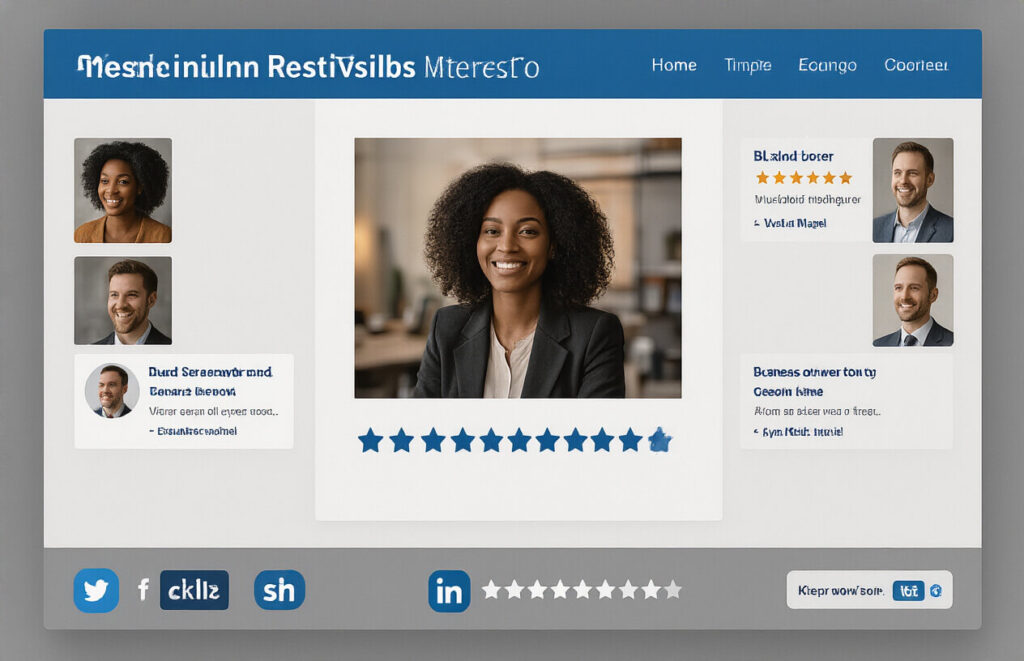
Integrating Live Social Media Feeds for Real-Time Credibility
Nobody trusts a static website anymore. Your potential clients want proof that you’re active and engaged with your audience right now—not six months ago.
Adding live social media feeds to your website is like opening a window into your brand’s daily life. When visitors see your latest tweets, Instagram posts, or LinkedIn updates automatically refreshing on your site, they get an unfiltered glimpse of your company culture and client interactions.
The magic happens when someone sees a happy client comment pop up in real-time. That’s instant validation that can’t be faked.
Pro tip: Don’t display every social post. Filter your feeds to showcase only your highest-quality content and most positive interactions.
Displaying Follower Counts and Engagement Metrics
Raw numbers talk. When potential clients see you’ve got 15,000 Twitter followers or 500+ LinkedIn recommendations, they instantly register that as “these guys must know their stuff.”
But here’s the thing—only show these metrics if they’re impressive. A sad little “Follow our Facebook page (23 followers)” actually works against you.
Smart marketers highlight their strongest platforms. Maybe your Instagram is booming while your Facebook is crickets. No problem! Feature the metrics that paint you in the best light.
Featuring Social Media Endorsements from Industry Influencers
When someone influential in your industry gives you a shoutout on social media, that’s gold. Don’t let it disappear into the social media void.
Capture those endorsements and display them prominently. A tweet from a recognized industry leader saying your design services are “game-changing” carries way more weight than ten generic testimonials.
The key is context. Don’t just show the endorsement—explain who this person is and why their opinion matters. “As recommended by Sarah Johnson, Forbes 30 Under 30 Tech Entrepreneur” packs a serious punch.
Embedding User-Generated Content to Build Community Trust
Your happiest clients are already creating content about your services. Those Instagram stories of their newly designed website, the LinkedIn posts celebrating your partnership—this is authentic marketing material you didn’t have to create.
Embedding this user-generated content on your site shows visitors real people are excited enough about your work to share it publicly.
Create a dedicated showcase wall where you display client tweets, posts, and stories about your design services. Each piece is a vote of confidence from someone who put their money where their mouth is.
Utilizing Trust Badges and Certifications
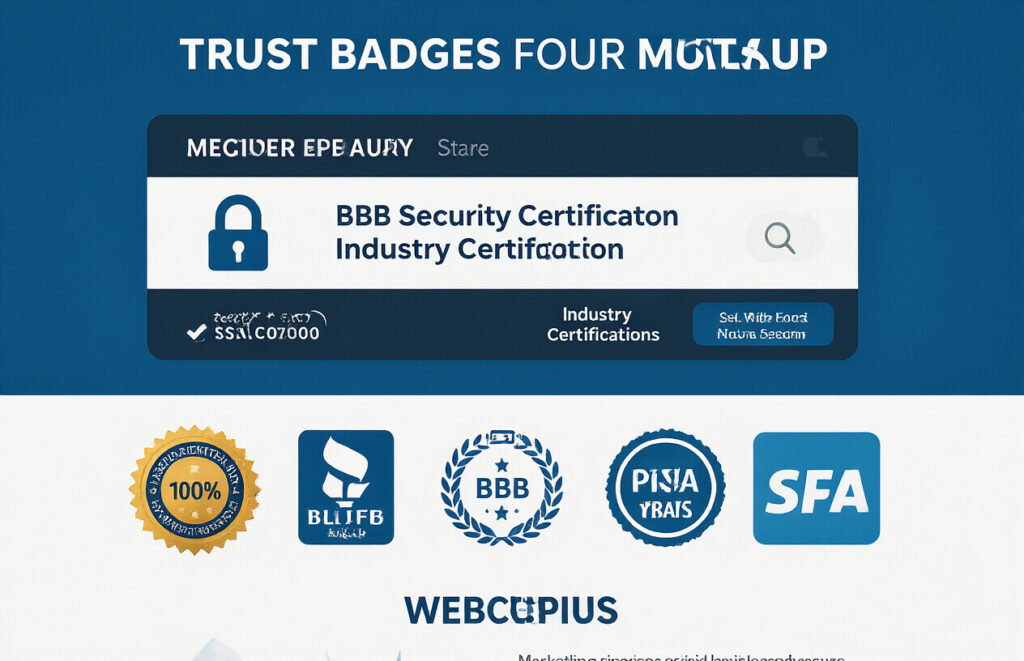
Displaying Industry Awards and Recognition
Ever noticed how you’re more likely to trust a website that shows off a few shiny awards? That’s because awards instantly tell visitors, “Hey, other people think we’re awesome!”
When potential clients visit your marketing website, they’re looking for signs that you’re not just another agency making empty promises. Awards serve as that independent verification.
Here’s how to showcase them effectively:
- Position awards prominently on your homepage, usually above the fold or in the footer
- Create a dedicated “Awards” section that details what each recognition means
- Include the award logo, year received, and a brief explanation of its significance
- Update your collection regularly to show continued excellence
Don’t have major industry awards yet? No problem. Local business awards, chamber of commerce recognitions, or “Top 10” listings from reputable publications work too.
Showcasing Professional Certifications and Partnerships
Nothing says “we know our stuff” quite like certifications from industry giants. These aren’t just fancy logos—they’re proof you’ve invested in expertise.
Smart ways to leverage certifications:
- Display partner badges from Google, HubSpot, Shopify, or other relevant platforms
- Highlight team members’ individual certifications with their headshots
- Mention certification requirements in your service descriptions
Your partnerships matter just as much. Being associated with trusted brands creates an instant credibility boost.
Try creating a “Partners” slider featuring recognizable brands you’ve worked with. Just make sure you have permission to display their logos!
Implementing Security and Privacy Trust Signals
In today’s privacy-conscious world, showing you take security seriously is non-negotiable.
The most effective security trust signals include:
- SSL certificates (with the visible padlock in browsers)
- GDPR compliance badges
- Payment processor security logos (PayPal, Stripe, etc.)
- Privacy policy links in prominent locations
Place these signals near sensitive interaction points like contact forms, checkout processes, or newsletter signups.
A simple “Your data is secure” message with a relevant icon can dramatically increase form completions. People need that reassurance before they’ll hand over their email or credit card.
Creating Urgency and Popularity Indicators
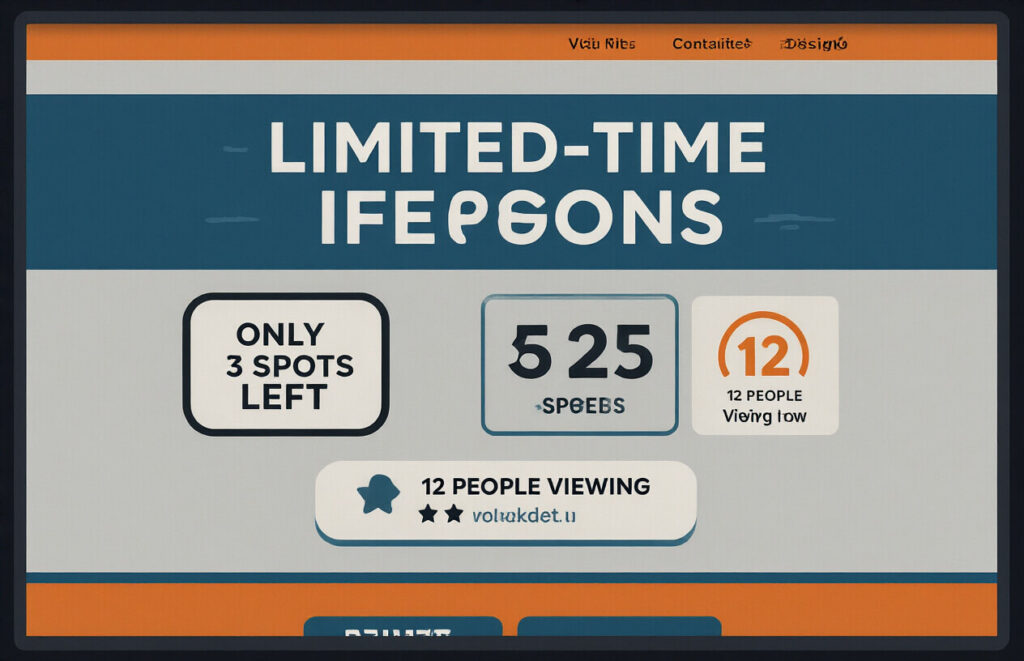
Using Real-Time Activity Notifications
Ever noticed those little pop-ups on websites telling you “Sarah from Boston just purchased this service” or “15 people are viewing this package right now”? That’s not random—it’s strategic social proof.
Real-time notifications tap into our FOMO (fear of missing out). When potential clients see others actively engaging with your design services, they’re more likely to jump on board too.
The magic happens because these notifications:
- Show your business is alive and thriving
- Create the impression of high demand
- Validate the visitor’s interest (if others want it, it must be good)
To implement this effectively:
- Keep notifications subtle but visible (bottom corner works great)
- Make them specific (“Designer in Chicago just booked a logo package”)
- Don’t fake it—use actual client data
- Set reasonable timing so they don’t become annoying
Displaying Client Counters and Statistics
Numbers don’t lie, and people trust them. That’s why “Over 5,000 websites designed” or “98% client satisfaction rate” hits different than just saying you’re good.
These stats work because they transform vague claims into concrete evidence. The bigger the numbers, the more impressive your brand appears.
Smart ways to showcase your stats:
- Use animated counters that grab attention
- Highlight your most impressive metrics above the fold
- Break down complex achievements into digestible numbers
- Update regularly to maintain credibility
Implementing “Recently Signed” Client Alerts
Nothing says “hot commodity” like a steady stream of new clients. Recently signed alerts show prospects that others are making the decision to work with you right now.
These alerts create a bandwagon effect—if everyone’s signing up, maybe I should too!
To maximize their impact:
- Include the client’s industry or company size for relatability
- Show their location to demonstrate your reach
- Add timestamps to emphasize recency
- Display recognizable brand logos when possible
Showing Limited Availability for Premium Services
Scarcity sells. When your high-end website design packages appear to be in limited supply, their perceived value skyrockets.
Try these tactics:
- “Only 3 spots left for June projects”
- Countdown timers for special promotions
- Waitlists for exclusive services
- Calendar views showing limited booking slots
The key is creating genuine scarcity—don’t claim limited availability if you can take unlimited clients. Your credibility matters more than a quick conversion.
Measuring and Optimizing Social Proof Elements

A. Setting Up Analytics to Track Social Proof Effectiveness
You can’t improve what you don’t measure. That’s marketing 101, folks.
Start by setting up event tracking in Google Analytics to monitor how visitors interact with your social proof elements. Track clicks on testimonials, time spent viewing case studies, and conversion rates for visitors who engage with reviews versus those who don’t.
Custom dashboards are your best friend here. Create one specifically for social proof metrics that shows:
- Conversion rate by social proof type
- Engagement time with testimonial sections
- Click-through rates on client logos
- Bounce rates before/after adding social proof
Heat mapping tools like Hotjar or Crazy Egg will show you exactly where eyeballs go when people land on your page. Are they even seeing your social proof? You’d be surprised how many website owners place testimonials in “blind spots.”
B. A/B Testing Different Social Proof Strategies
Social proof isn’t one-size-fits-all. What works for one audience might flop with another.
Test these variables one at a time:
- Text testimonials vs. video testimonials
- Star ratings vs. detailed reviews
- Client logos with vs. without metrics
- Industry-specific vs. general testimonials
Remember to set clear success metrics before testing. Is your goal higher conversions? Longer time on page? More contact form submissions?
A real A/B test we ran for a client showed video testimonials increased conversions by 34% compared to text versions. But for another client, brief quote snippets outperformed lengthy videos. The difference? Audience patience and technical literacy.
C. Adjusting Placement and Visibility Based on User Behavior Data
Your heat maps and scroll maps will tell you where people actually look on your pages. Use this data ruthlessly.
Common findings that surprise clients:
- Those testimonials buried at the bottom of your page? Nobody’s seeing them.
- That rotating testimonial carousel? People only see the first one before it switches.
- Those tiny client logos? Too small to build credibility.
The golden rule: place your strongest social proof where users make decisions. For service businesses, that’s often right next to your pricing or contact forms.
We discovered that moving testimonials from the bottom of a service page to directly below the service description increased conversion rates by 21%. People needed reassurance at the moment of consideration, not after they’d already decided.
D. Continuously Refreshing Social Proof Content for Relevance
Stale social proof is like milk past its expiration date – it starts to smell funny.
Create a system to regularly gather fresh testimonials and results. Schedule quarterly review sessions where you:
- Remove outdated statistics
- Add recent success stories
- Update client logos with newer brands
- Refresh case studies with current results
The most powerful update? Adding specific results to vague testimonials. “They were great to work with” becomes “They increased our conversion rate by 42% in three months.”
Dating your testimonials can actually increase their impact. “January 2023” tells visitors your business is currently delivering results, not resting on five-year-old laurels.
Most importantly, align your social proof with current service offerings. If you’ve pivoted your services, make sure your proof points match what you’re selling today.

Social proof is a powerful psychological trigger that can transform your marketing website’s effectiveness. By strategically implementing customer testimonials, showcasing impressive case studies, leveraging social media engagement, and displaying trust badges, you create multiple touchpoints that validate your services to potential clients. The urgency indicators and popularity markers further enhance decision-making by demonstrating that others are actively choosing your services.
To maximize the impact of social proof on your website, remember to regularly measure its effectiveness through analytics and user feedback. Experiment with different placements, formats, and types of social proof to determine what resonates best with your target audience. By continuously optimizing these elements, you’ll build a marketing website that doesn’t just tell visitors you’re trustworthy and capable—it shows them through the experiences and confidence of others who have already taken the journey.